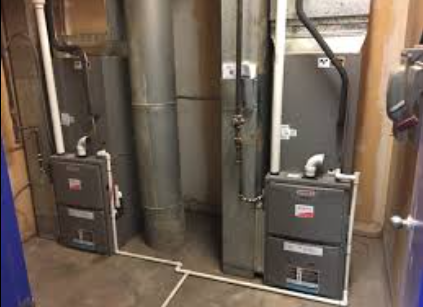
As the temperatures drop and winter approaches, ensuring your home has a reliable heating system becomes more important than ever. If your furnace is old, inefficient, or constantly in need of repairs, it might be time to consider a new installation. Furnace installation is a significant investment, but with the right knowledge and professional help, it can transform your home’s comfort and energy efficiency. Here’s everything you need to know about furnace installation.
Why Upgrade Your Furnace?
Older furnaces tend to lose efficiency over time, leading to higher energy bills and uneven heating. Modern furnaces, on the other hand, are designed to be energy-efficient, environmentally friendly, and capable of providing consistent warmth throughout your home. Upgrading to a new furnace can save you money in the long run, improve indoor air quality, and reduce your carbon footprint.
Choosing the Right Furnace
Before installation, it’s important to select the right furnace for your home. Factors to consider include:
- Size: A furnace that’s too small won’t heat your home effectively, while one that’s too large will cycle on and off frequently, wasting energy.
- Efficiency: Look for furnaces with a high Annual Fuel Utilization Efficiency (AFUE) rating. The higher the rating, the more efficient the unit.
- Fuel Type: Furnaces can run on natural gas, propane, oil, or electricity. Choose the option that best suits your home and budget.
- Features: Modern furnaces come with advanced features like variable-speed blowers, smart thermostats, and zoning systems for better control and comfort.
The Installation Process
Professional installation is crucial to ensuring your furnace operates safely and efficiently. Here’s what the process typically involves:
- Assessment: A technician will evaluate your home’s heating needs, including the size of your space, insulation, and ductwork.
- Removal of Old Unit: If you’re replacing an existing furnace, the old unit will be safely removed and disposed of.
- Installation: The new furnace will be installed, connected to your ductwork, and tested to ensure it’s working properly.
- Inspection: The technician will check for leaks, proper airflow, and overall system performance.
Why Hire a Professional?
While DIY projects can be tempting, furnace installation is not a job for amateurs. Improper installation can lead to safety hazards, reduced efficiency, and costly repairs down the line. Licensed professionals have the expertise, tools, and knowledge to ensure your furnace is installed correctly and meets all local building codes.
Maintaining Your New Furnace
Once your new furnace is installed, regular maintenance is key to keeping it running smoothly. Change filters regularly, schedule annual tune-ups, and address any issues promptly to extend the life of your system.
Ready to Upgrade?
A new furnace installation is an investment in your home’s comfort, efficiency, and safety. If you’re considering upgrading your heating system, don’t hesitate to reach out to a trusted professional for guidance and a seamless installation process. Stay warm and cozy all winter long with a furnace that works as hard as you do!
Have questions or ready to get started? Contact us today to learn more about furnace installation and how we can help you find the perfect solution for your home.
No Responses